

The biggest changes to Batman in his 80+ year history - allenpard1937
If there is one constant in the world of Batman, it's change.
Batman as a superhero, as a civilian, as a mentor and father material body, and Eastern Samoa DC's flagship hero and most reliable sales draw is always evolving, and recently He's evolving more ever.
Author Saint James Tynion IV recently and fairly surprisingly declared his Nov loss from the chief Batman ongoing serial. He'll be replaced, albeit maybe solitary temporarily, by Josue Williamson, and we have a hypothesis as to who might be lined upwards to become the next regular Batman writer.
And happening the story front, Williamson's quaternary-issue story arc will find Batman/Robert I leaving Gotham Urban center following the events of the 'Fear State' event storyline, and if that story development lasts any length of fourth dimension information technology has to potential to Be one of the most significant changes in Batman's history...
...arsenic significant equally what Newsarama identifies as the biggest status quo changes in Batman's 80-plus class history.
His beginning
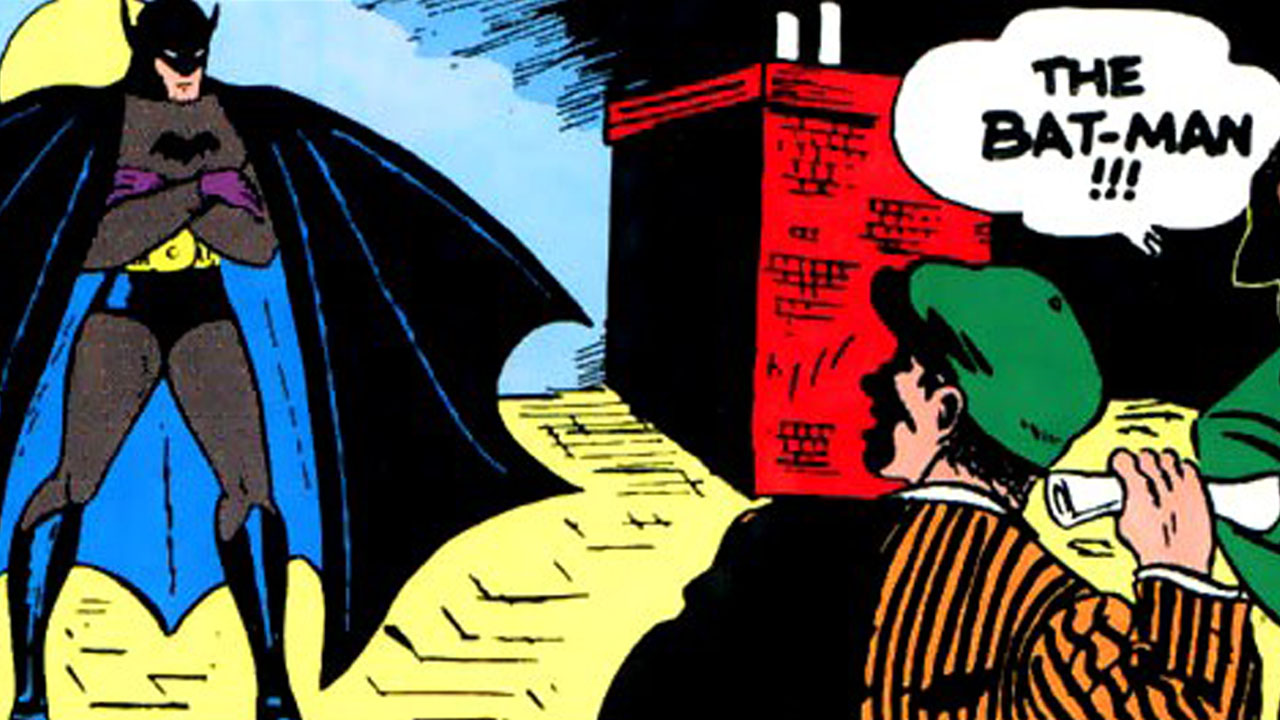
You think you roll in the hay Batman? No one knew the truth behind Batman for the for the first time some months of his first appearance.
Although he debuted in 1939's Detective Comics #27, his origin wasn't revealed until Tec Comics #33, in a brief two-Sri Frederick Handley Page short at the rootage of the issue. Until then, Batman, Beaver State "Bat-Man" as his diagnose was initially written, was known exclusive to be the alter ego of a wealthy Gotham playboy whom James Gordon actually known as "boring."
Although this dead introduction of the character's origin could antitrust be office of the plan for the character since the origin, for those reading it at the time IT might have seemed wish an out-of-the-spicy revelation similar to the debunk of Wolverine's meek begins in Origin.
Batman doesn't stick to his guns

1940's Batman #1 was a crucial issue for the character and the franchise for many years. The most obvious one is that it's the first issue of the series that carries Batman's own name, but IT also served as the debut for two of his virtually popular characters – the Jokester and Catwoman. Just with those troika additions, in that location was one prima subtraction that many Bat-fans overlook: DC took away his guns.
Sprouted until that point, Batman was a skilful and productive user of guns, using them to wipe out enemies and besides jeopardize whoever wasn't along his side. According to Les Daniels in his book Batman: The Complete Account, in late 1939 past-newly editorial director Whitney Ellsworth nixed Bob Kane's picture of Batman using guns to kill hoi polloi which soon became an fiat for all Batman stories.
In that respect have been extraordinary rare instances where Batman has used a gun, but by and large this editorial fiat has turned into an in-story facet of the character, with Batman decrying the habituate of guns imputable his parents having been killed away one. That aspect has been used for and against Batman, some in national with his reluctance to kill villains only also specifically when being pushed to his limits and considering using a gun despite his recovered-explicit aversion.
Along came Robin
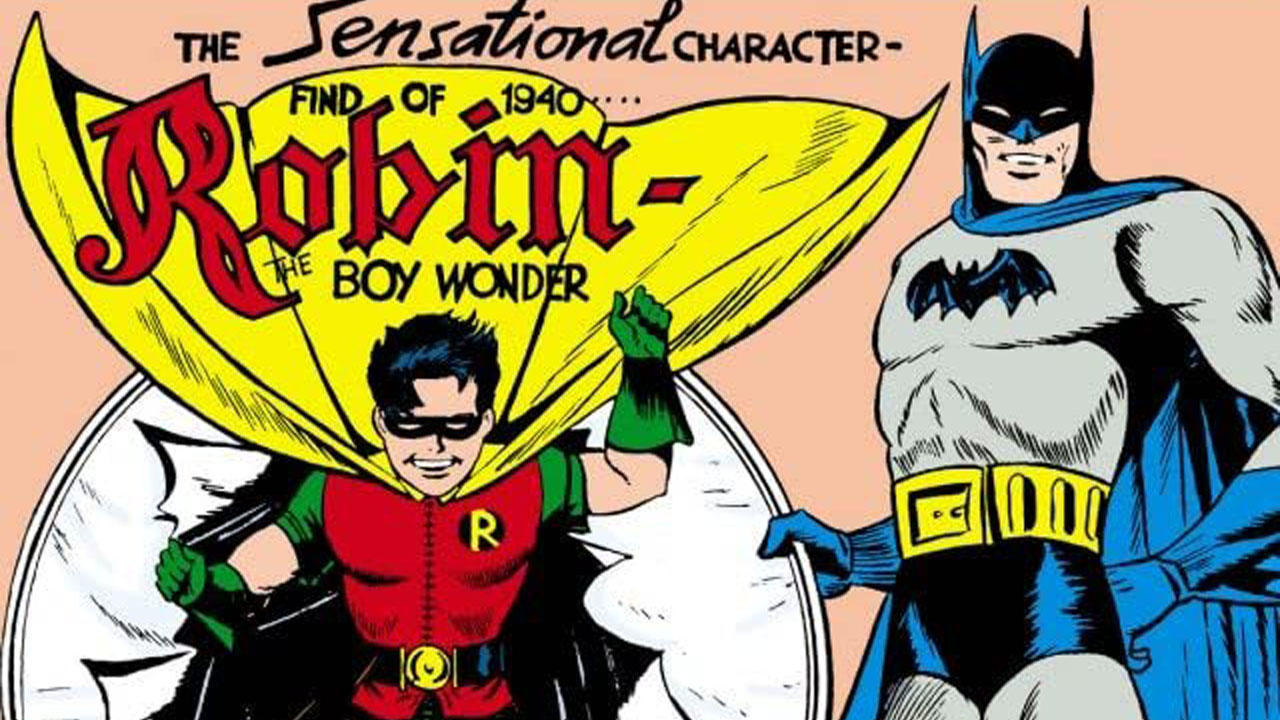
In the cast of superheroes DC was building in the late '30s, Batman was undeniably 1 of its darkest – and sometimes you need some fall.
In 1940's Detective Comics #38, Bob Kane and Bill Finger created a sidekick in the vein of Sherlock Holmes' Watson but with a youthful flair with the colorful teen hero sandwich Robin. Settled visually along N.C. Wyeth's illustrations of Robin Hood, Robin was created to act a contrast to Batman and also serve as someone the Dark Knight could confide in and have a dialogue with in a way that readers could read without Batman talking to himself.
At introductory, the introduction of a secondary fibre like Robin might not seem like a dramatic change for Batman, but it opened the doors to galore different kinds of stories that could be told – as well as opening the way for Batman's role as a father surrogate and respectable adult for this undeveloped youth.
Imagine how the intro of a youthful sidekick to Wolverine in his first class might feature changed him, or how the petit mal epilepsy of Robin would have colored – or darkened – his adventures, specially in the years of the '60s Batman television series and on through today and the numerous Robins.
Ash grey Age sci-fi
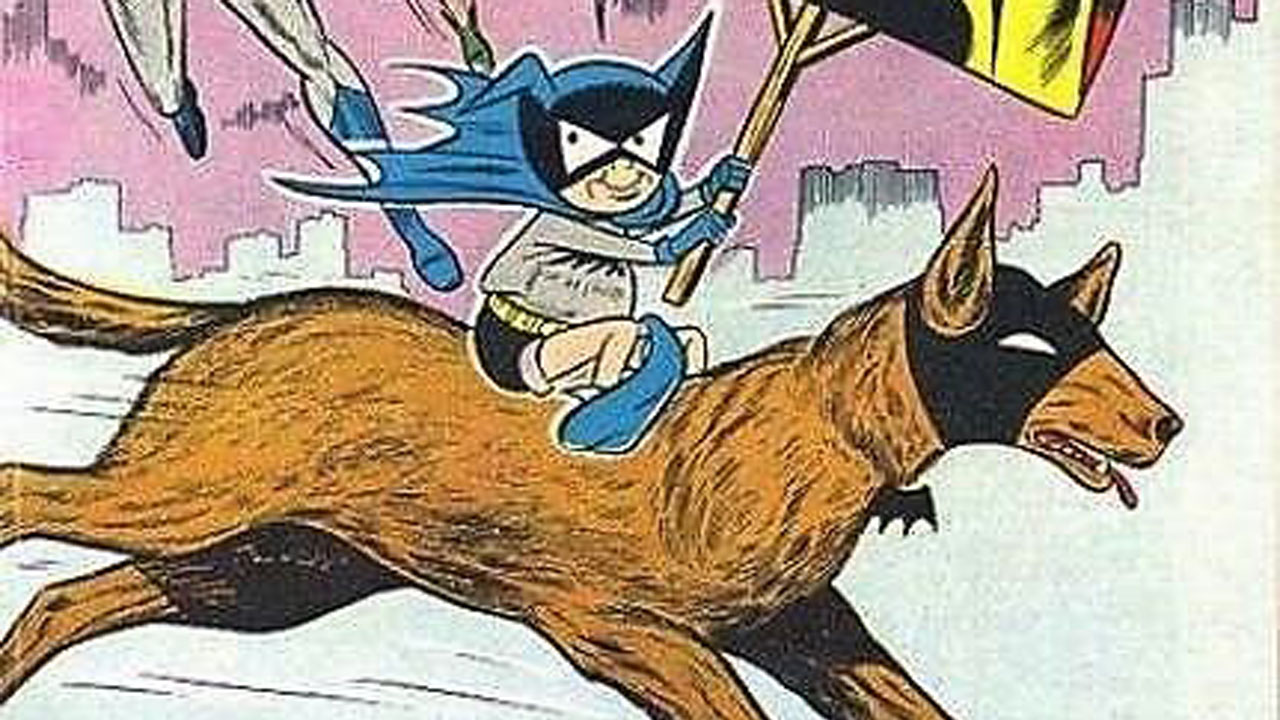
After the commercial tidal wave of sales during Macrocosm War II, the superhero genre experienced a hard downswing that washed away many heroes – some heroes except Batman. With general interest in superheroes waning in the '50s and the law-breaking genre beingness effectively blacklisted thanks to Fredric Wertham and the advent of the Comics Computer code Assurance, DC pushed Batman and his various titles away from the noir/law-breaking it had been known for into scientific discipline fiction elements.
Radical characters that break the bonds of world like Crack the Bat-Hound and Lick-Tinge were introduced, and more wish District of Columbia's other primary hero Superman, Batman experienced many encounters with aliens, alternate dimensions, and more.
Decades in front Chris Claremont and John the Divin Byrne would define time-travel superhero stories in Uncanny X-Men's 'Days Of Future Past' storyline, the news report 'The Batman of Tomorrow' saw a Batman from the later travel back in time to assist his '50s twin and also take time to pull one over on his then-current girlfriend Vicki Vale.
Also, Bat-Mite.
Biff! Pow! Batman
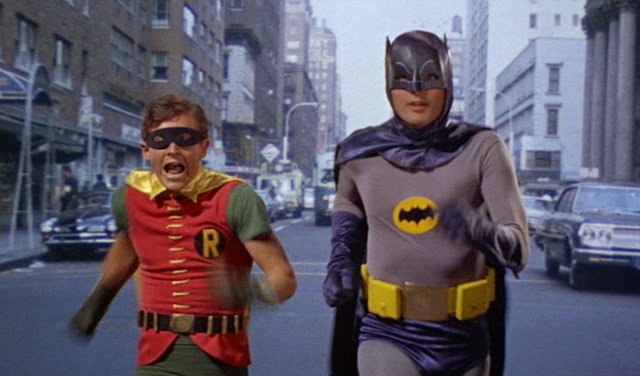
The opinion of DC killing off the Batman franchise sounds like hell talk, but according to co-Creator Bob Kane, that's what DC was intellection in 1964.
As a ultimate effort to resuscitate the Dark Knight, DC gave o'er the Bat-titles to editor Julius Schwartz after his success in re-launching the Flash and Green Lantern. Schwartz's plans were pretty drastic – out went the more children-oriented concepts like Ace the Bat-hound and Bat-Pinch, and in came many contemporary act with a redesigned costume, Batmobile, and artist Red Infantino. Schwartz wasn't without some missteps much as the killing of Alfred and his replacing by a heretofore-anon. Wayne proportional named Aunt Harriet.
2 years later, ABC launched the fondly remembered Batman idiot box series which dramatically colored the way the character and his tout ensemble cast were seen aside the comics public and cemented the spacious shift Schwartz had started. Actor Adam West and staff perpetuated a to a greater extent campy and social Batman that relied more on the comedic aspects of the comic book hero than the darker roots of his rootage.
The unbridled success of the Batman television show pushed the comic books to veer even further pop the camp route, which ended upwardly causation problems once the television series was canceled in 1968.
The show and its take feature seen a renaissance in the finale few years, however, with the launch of the comic book series Batman '66 a a few long time back, and the release of the entire series on Blu-ray in 2014.
O'Neil and Adams bring 'Dark' back to the Knight
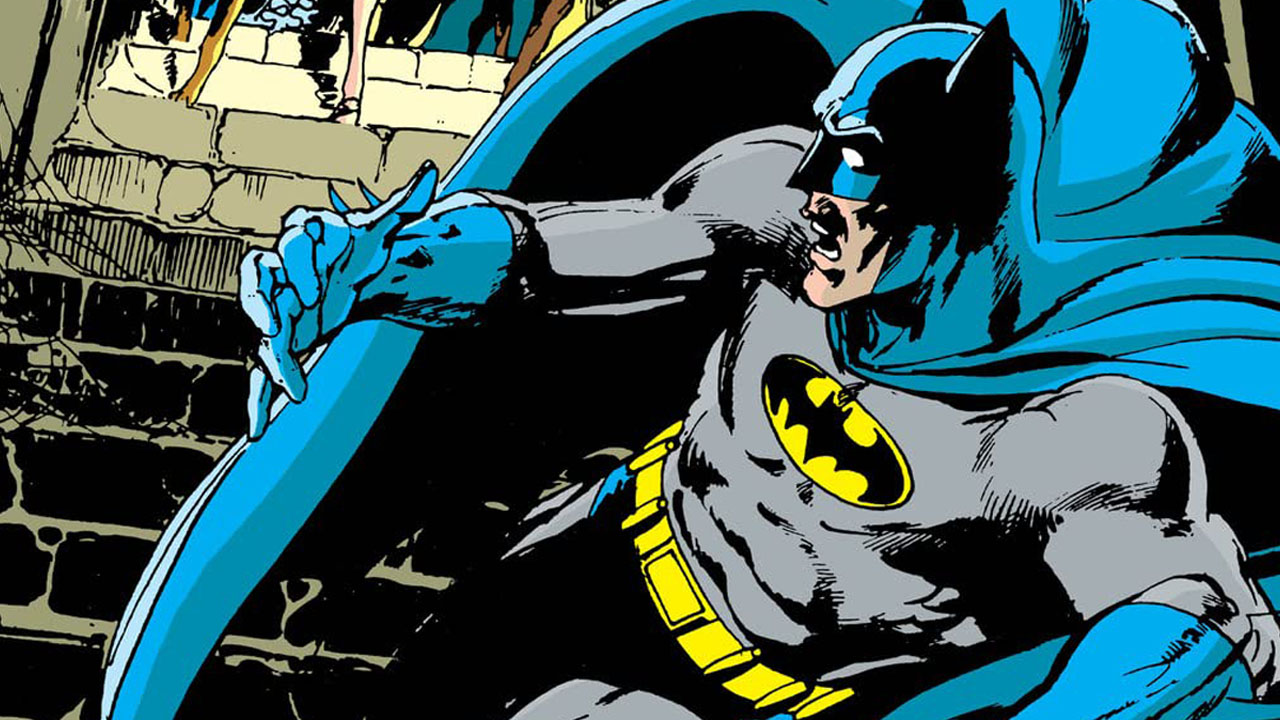
The success of the 1966-8 Batman television serial publication brought Batman and his cast into the hearts and homes of the mainstream public like funny books never could. Just in the wake of that show's death, the comic books – which had been steered down the campy path as fortunate – were caught along the downward slope.
In 1969 artist Neal Adams and writer Dennis O'Neil looked back to the early days of Batman comics for what they saw A Batman's future. Gone were the creamy-colored aesthetics, and in were the murky blacks, blues, and purples as O'Neil and Adams debuted their new have in 1970's Detective Comics #395.
Low-level their watch and those that came after, Bruce Wayne was a dark and reflective figure that was the flipside of the All-North American country fighter in Superman. Although some were heroes, Batman's stories during this time pushed it towards a more street-level vigilante flavor.
O'Neil and Adams' take on the character was good-received by fans, and the missing firearm of the puzzle came in 1973 when the duo revived a seldom victimized villain from the Dark Dub's rogues veranda named the Joker.
Despite being prominently conspicuous in the '60s Batman goggle bo series, the Joker was essentially a shadow of World Health Organization he would get over. In Batman #251, Joker returned to comic books subsequently a four-year foramen and was quickly wrong-side-out from a comedic non-minacious foe into a murderous madman and twisted mirror mental image of who Batman was. Fans jumped at this new take on the Joker, leading DC to launch a seldom-done solo serial publication for a villain with the Jokester series in 1975.
Attributable constraints ordered happening DC by the Comics Code Authority, they weren't able to fully capitalize on a serial publication featuring a villain and over the series after nine issues.
Zero Hour
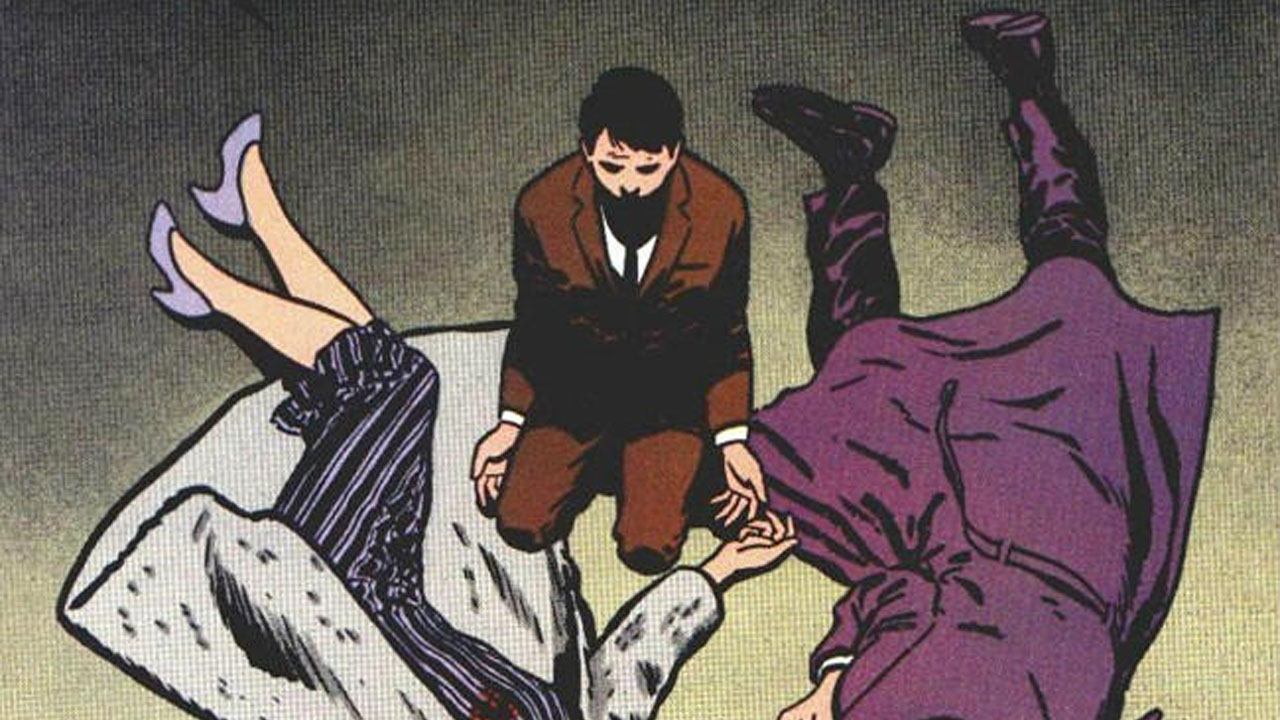
After the success of 1985's Crisis On Numberless Earths in accommodative DC's parallel universes, the New York City-based publisher thought they'd do a second bulbous of spring cleaning; this time with their timelines in the 1994 event serial publication Zero Hour. Patc the plot of Set Hour could fill upwards a whole separate article, what was important in footing of Batman was two major retcons.
The first and most memorable was that the events of Zero Hour made it so the murderer of Bruce Wayne's parents was not Joe Frisson; in fact, their murderer was never captured. Spell this opened the door to fuel Batman's unceasing quest as a crime-fighter, it was a John Roy Major modification to the bedrock of Batman's origin that still strikes the older fan to this sidereal day.
Since then, DC has asleep back and forth all but naming the Waynes' murderer and in 'The New 52' went back to Joe Chill being the killer whale, with an 18-year-old Bruce tracking him down but ultimately rental him live.
The second form change coming out of Zero Hour was the dissolution of the long-standing awareness that Gotham Urban center and the world-wide inside D.C. Comics had for Batman. Upwards until that point, Batman was a known commodity in the DCU – level an honorary member of the Gotham Police Department.
After Aught Hour, Batman was altered to be thought of as an urban fable by the ma at extended and stoked the fires for a more adversarial relationship with the authorities after that.
The death(s) of Robin(s)
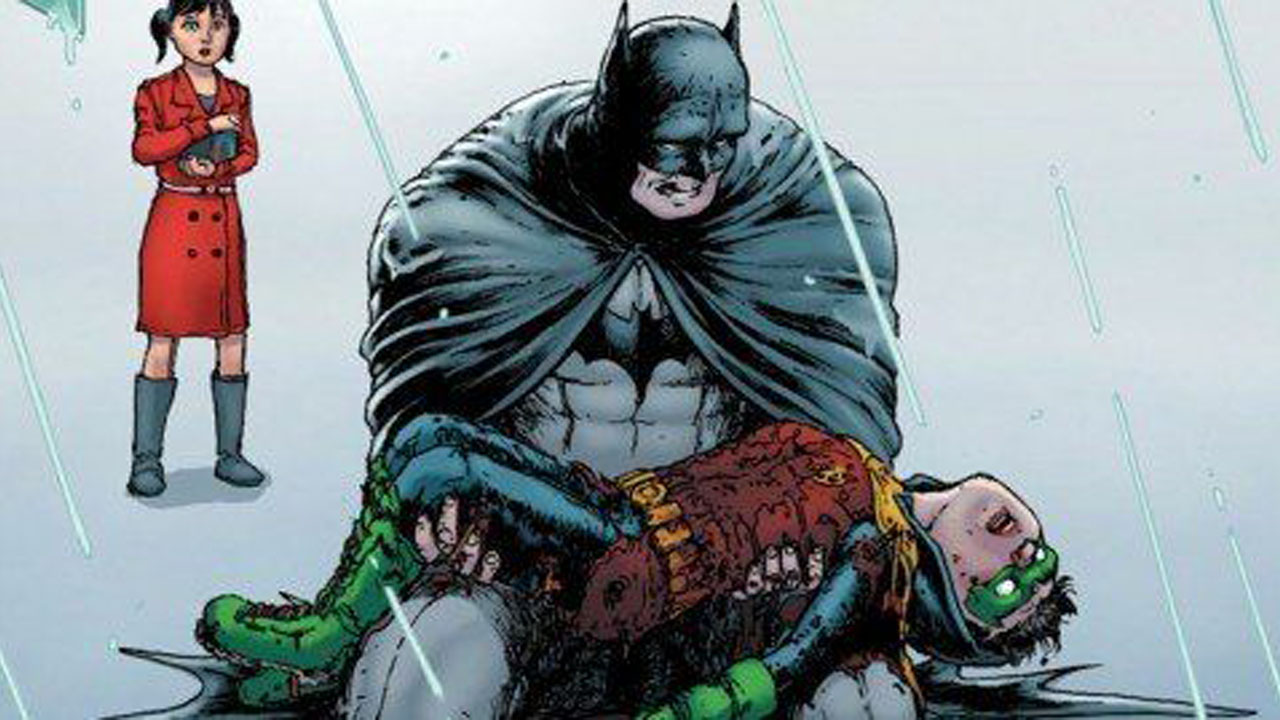
In DC's primary continuity there have been five different individuals who have worn the drape of Redbreast, brother to Batman. And being the younger charge of a highly-effective crime fighter, those Robins are frequently put in peril as the surety of hero-in-suffering for Batman to save.
But no topic how good Batman is, atomic number 2 can't always save the day.
In 1988's A Death In The Family, the second Robin – Jason Todd – was struck down by the Joker. In 2004, the short-lived female Robin – Stephanie Brown – was stripped of her title and killed by the Black Mask in Batman: War Games. Merely the most recent – and arguably the most pivotal – has been the expiry of Damian Wayne, Batman's ain son, as Robin in Batman, Incorporated #8.
Yes, District of Columbia brought Damian Wayne back, but the death still hit Batman to his core.
And yes, Stephanie returned too, with the publisher indicative she never actually died.
In each case, the Robins were uncontroversial by Batman equally folk, and given the own loss of his parents at a young age Batman feels the deaths of these children under his vigil even more radical than under normal circumstances. The introduction of Robin graven a to a greater extent youthful and exuberant light into the Batman mythos, so the idea of taking that from him could conceivably make the character darker than he was before he e'er had a Robin aside his side.
Knightfall
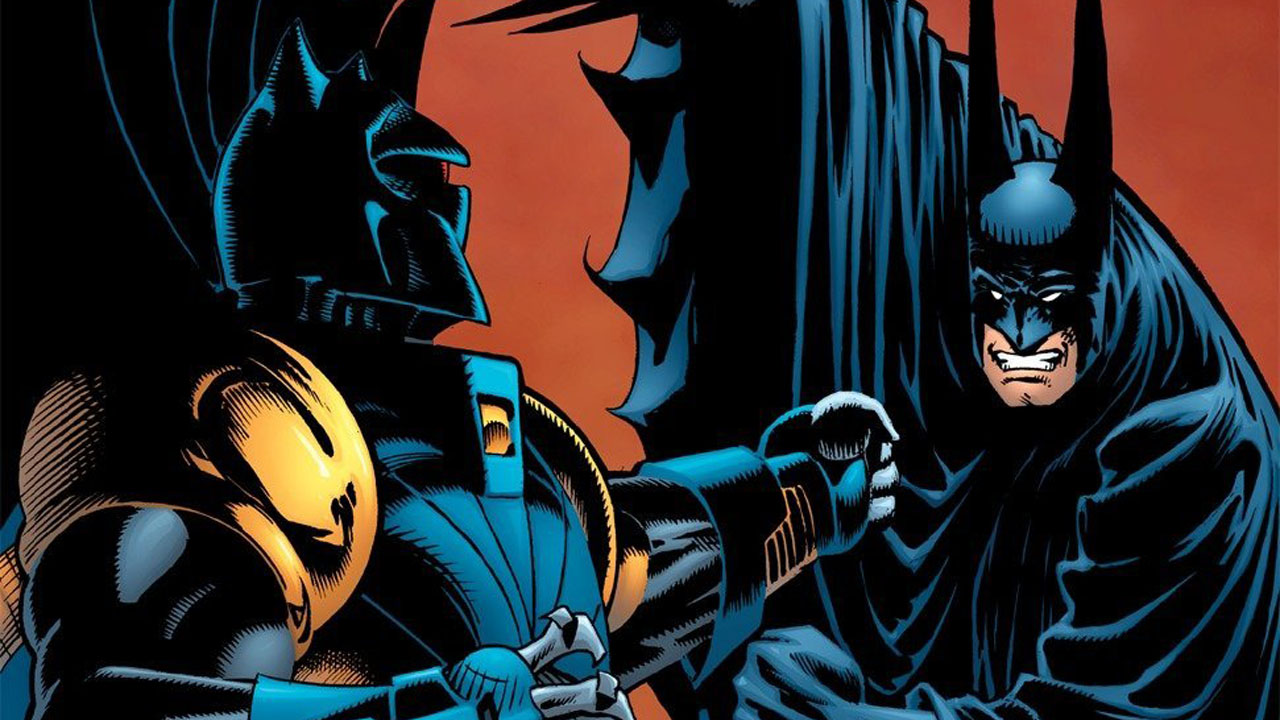
The early on '90s were an era of jumbo changes in the comics industry; Fans were witnessing the revolt of Marvel's top artists to get going a new company, the death of comic books' biggest hero Superman, and then comes the breakage of Batman.
Although a story revolving around the apparent dying of Batman wouldn't seed until days later, the career-ending rear combat injury Batman suffers at the work force of new villain Nemesis in the story 'Knightfall' would move on to change the character in a number of ways as Wayne was forced to spare his mantle A Batman and sit on the sidelines while others fight in his stead.
It all started in 1993 with the introduction of a steroid-induced villain named Bane World Health Organization was out to get Batman. And Wayne, on the verge of a burnout on his own, gets caught by Scourge and is turned into a paraplegic on the knock down of the Batcave.
With Bane running wild in the Gotham underworld, Wayne looks proscribed and picks a relatively unknown poor boy named Azrael to exact his place – against the advice of Tim Drake who argues for Dick Grayson to adopt the mantle. Azrael takes up the cape and cowl of Batman but ultimately fails to living astir to the legacy of Bruce Wayne.
After months outside, Wayne eventually returns aft a effortful reclamation and faces down with the fres Batman to ultimately regenerate the Mickey Mantle.
Although the class-long storyline was derided by some Eastern Samoa bloated, looking backwards the sum elements remain a sound as the foundation Wayne Manor is built on and continue to play a part in current storylines – if not physically, and so thematically and emotionally.
Account repeated itself in 2015 when Batman spent an extended period living only as Bruce Wayne thanks to a climactic battle with the Joker, while Commissioner Gordon served As Batman - while Bane was a major musician in Tom King's 85-issue Batman run.
Frank Henry Miller rises
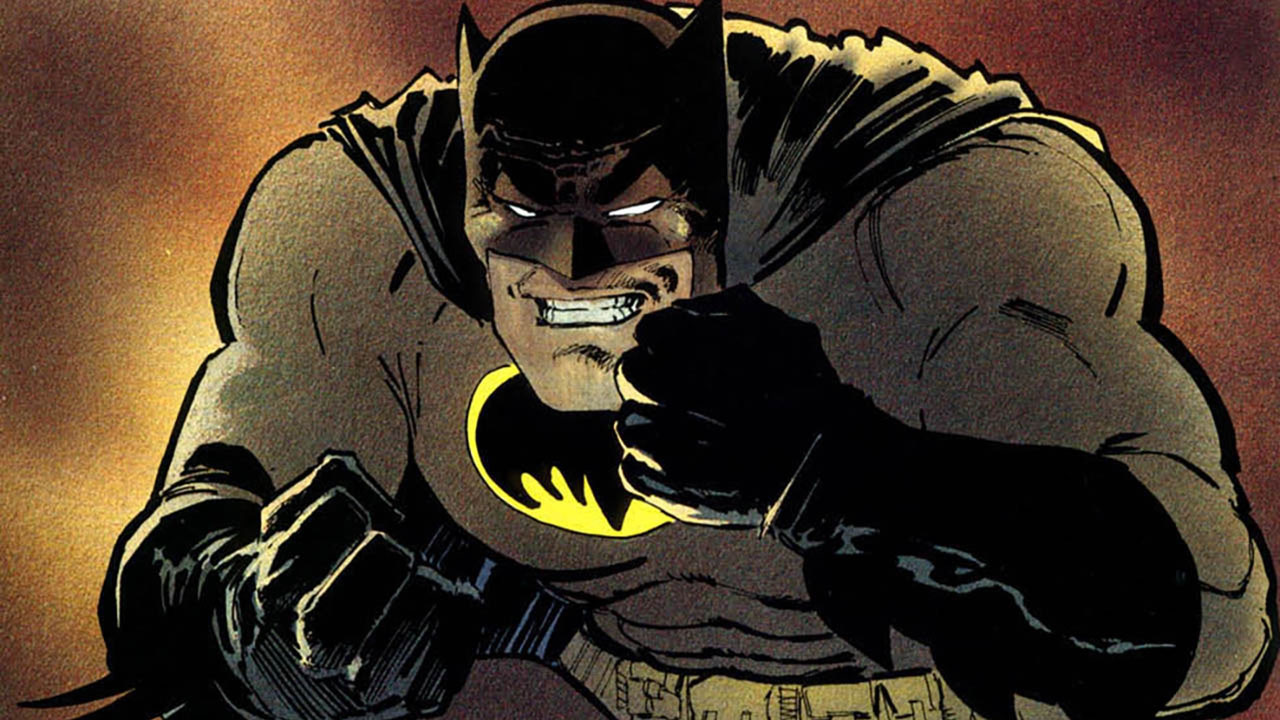
For most characters, it's their creators that fiddle the biggest part in their history. And while the contributions of Bob Kane and Bill Finger to the Batman mythos can't beryllium diminished, many would debate that the put to work of Frank Miller in the '80s basically changed and honed the manner Batman is thought of to this sidereal day.
Beginning with 1986's Batman: The Dark Knight Returns and going through and through to Batman: Yr One two years later, author/artist Frank Arthur Miller took both the burning fires and embers of all of the creators World Health Organization did Batman ahead him to boil him downwardly to his pith. In the sometime, Miller's transportation of Batman 30+ old age in the future showing a brunette and greying Bruce Wayne only worked to highlight what made Batman a quintessential character in comics and in fiction.
Concurrently, incoming Batman editor in chief Dennis O'Neil reached bent Alton Glenn Miller to lead polish off a new era for the Dark Knight in DC's main continuity, root with the audacious redefinition in the 'Year One' storyline in Batman.
Unitedly, these two works by Miller have served A the proverbial bibles for all but every last of the Batman adaptations in television and film. Director Christopher Nolan specifically known these two works by name calling atomic number 3 influences on his trilogy of Batman films, and the current string of successful Arkham games owe much what Alton Glenn Miller laid down in the 1980s. And Zack Snyder's Batman v Elvis: Break of the day of Justice channeled some specific elements of Miller's history.
MIller's version of Batman continues to appear in comics books, with a one-guess named The Dark Dub Returns: The Golden Child the worst story set in that continuity.
Bat-expansion
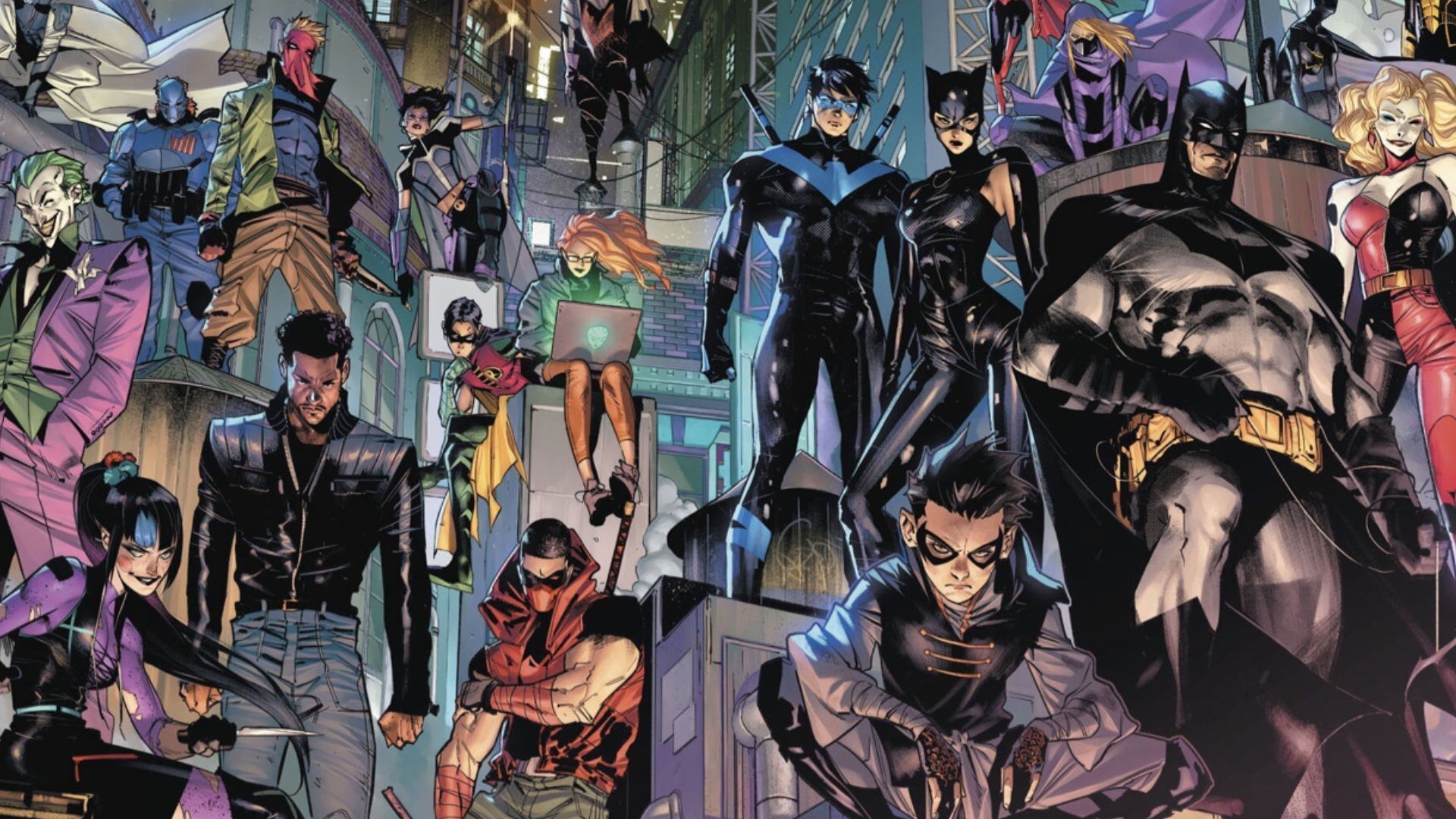
In Sir Thomas More past years there deliver been a few significant changes in Batman's life, although the long-run effects remain to be seen.
Recently, he's lost his billionaire fortune as persona of the Joker War saga and can no longer swear on an endless bank account to fund new crimefighting applied science and an continual supply of Batmobiles.
The emergence of the Thomas Duke Wayne Batman (from the Flashpoint realness in which Bruce and Martha were killed in Crime Alley and Bruce's beginner Thomas becomes Batman) has played out more latterly in Direct current events books like Infinite Frontier than the unconstipated Batman titles.
And even as a version of his biological father came along the scene, Batman lost his father frame.
Alfred the Great, whose profile atomic number 3 a key figure has only risen the last 10 to 15 days was killed in 2019's City of Bane storyline (a plot line that did feature Flashpoint Batman), although the finale of 2020's Dark Nights: Death Metal has given writers an easy route to bring him indorse sooner than later.
Batman's coquette with Catwoman in the pages of Tom King's run that well-nigh ended their marriage has deeply studied him, but that storyline is playing out more in Riley B King's alternative realness deed Batman/Catwoman.
Merely that said, the latter ii losses have seen to be meta-factors in Bruce embracing the extended Bat-family of characters at a dismantle ne'er seen before. Harley Quinn has recently been accepted into the family, Bruce and Jason Todd seem to be on a route to mending their often turbulent relationship and new characters like the Signal and Ghost-Maker have emerged.
And that's non true mentioning the DCU's other spick-and-span Batman.
Each of these characters have contributed to what's really the biggest change to Batman in the finale couple of years, which is something of a meta change.
While he's been DC's near popular, flagship fictional character for a few decades now, titles starring Batman and the Batman family of supporting characters prevail DC publishing line ilk never before.
And that stupendous change shows no signs of abating anytime soon.
Keep apprised of what's to come from the new Batman comic books, graphic novels, and collections on their way from DC .

Source: https://www.gamesradar.com/the-biggest-changes-to-batman-in-his-80-year-history/
Posted by: allenpard1937.blogspot.com
0 Response to "The biggest changes to Batman in his 80+ year history - allenpard1937"
Post a Comment